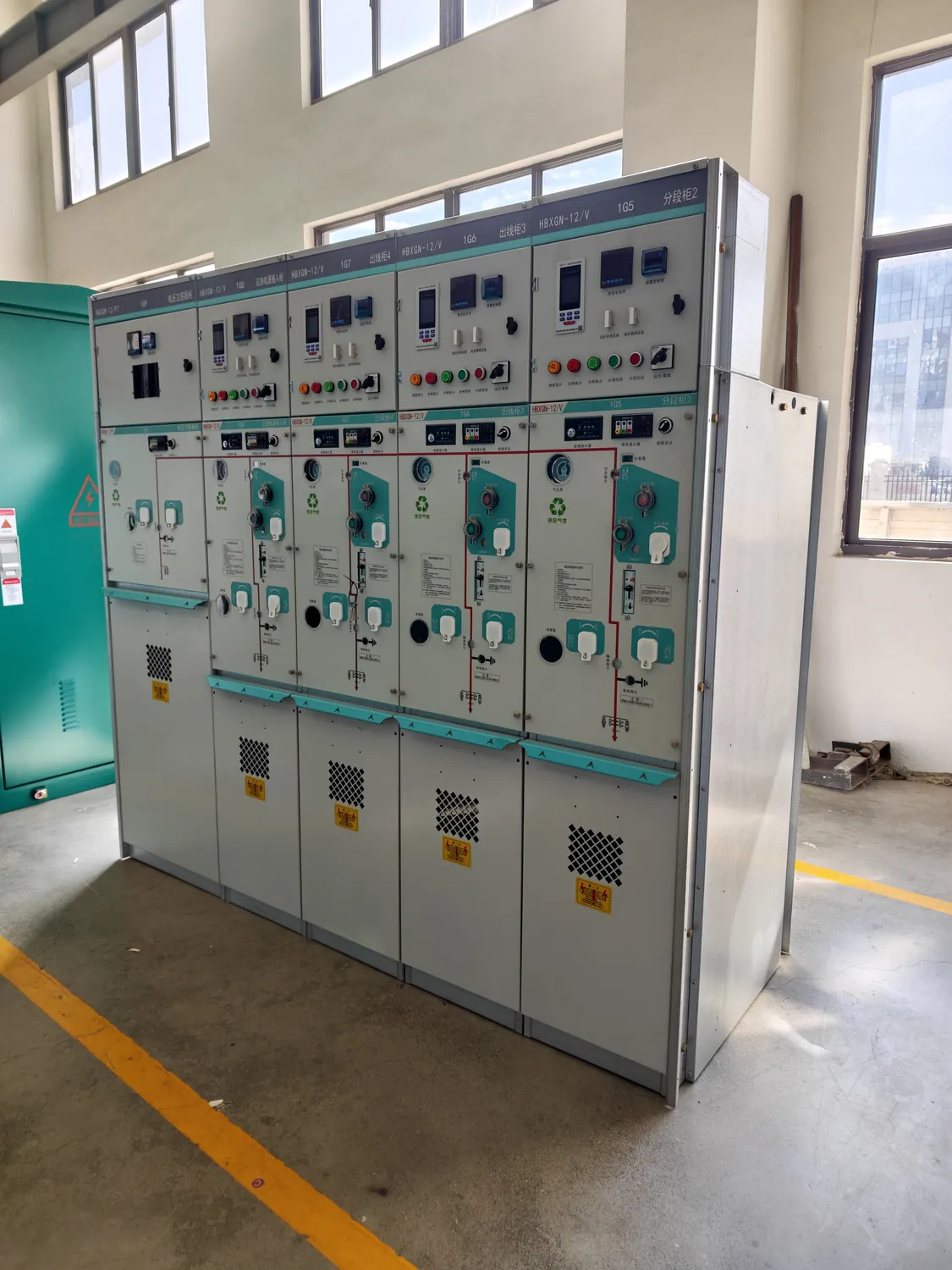
Gas-Insulated Switchgear for Networks That Cannot Fail
Ring main units, GIS and medium voltage switchgear from 11 kV to 33 kV — designed to the site’s single-line diagram, assembled in our own plant, and routine-tested before every unit leaves the floor.
Four platforms, one insulation principle
Every CHNGS unit answers the same question: what happens to the live parts when the enclosure is the only thing standing between the busbar and the weather? We build four answers, and we build them to the voltage class the site actually runs at.
GSRM6 RMU
Sealed-for-life SF6 tank, 12 kV and 24 kV, two to four panels. The workhorse for compact MV rooms and cable networks.
View GSRM6 →GSG2-12 RMU
Epoxy-shielded vacuum interrupters with no gas to monitor. Preferred where leak-free operation outweighs tank compactness.
View GSG2-12 →GSM6-12/24
Unit-type SF6 ring main unit for 12 kV and 24 kV distribution, with extendable busbar options for staged expansion.
View GSM6 →HXGN15-12
Fixed-type air-insulated RMU where floor space and budget allow conventional compartment design.
View HXGN15-12 →Specified by the site, not by the catalogue
Distribution voltage is a local fact. A plant in Manila runs 13.8 kV, a project in Suva runs 11 kV, a substation upgrade in Mindanao may run 22 kV or 33 kV. We build the same mechanical architecture across all four classes, so spares, operating procedures and training stay consistent while the insulation and clearances change.
- 11 kV — IEC 62271-200, typical Asian distribution and industrial feeders
- 13.8 kV — the ANSI-flavoured class common in the Philippines and Pacific islands
- 22 kV — sub-transmission and larger industrial plants
- 33 kV — utility substations and high-capacity step-down points
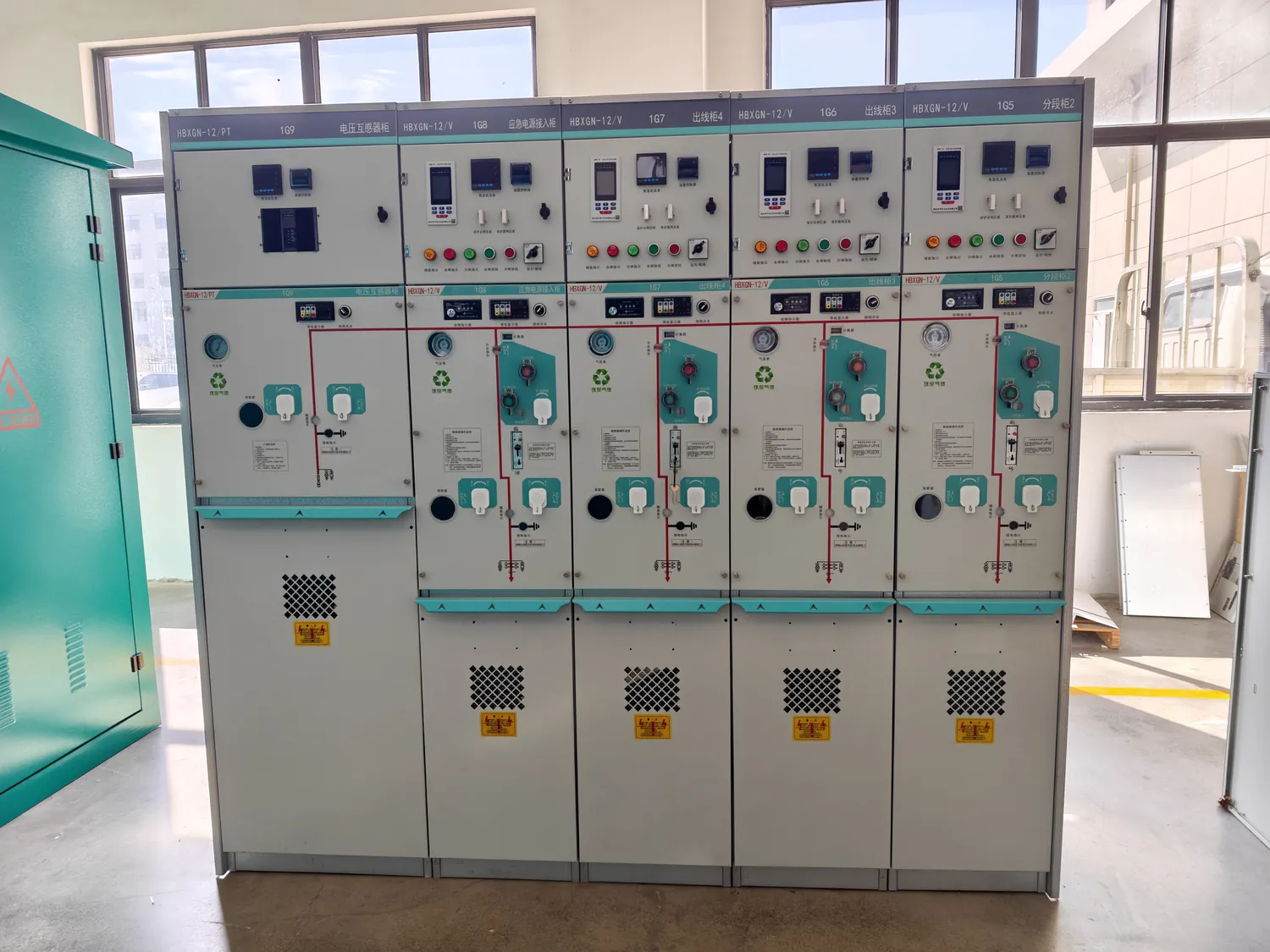
Where air insulation stops fitting
Floor space
A gas-insulated RMU needs a fraction of the clearance an air-insulated switchroom demands. In retrofits the room often already exists — the switchgear has to fit inside it.
Humidity and salt
Coastal and tropical sites punish open busbars. Sealing the live parts removes condensation, dust and salt fog from the insulation path altogether.
Safety by enclosure
All live parts sit behind earthed metal. Operators work outside the tank, and the interlock chain — not procedure alone — keeps them there.
If you are still comparing topologies, our note on gas-insulated versus air-insulated RMU walks through the trade-offs in floor area, maintenance and cost of ownership.
From tank welding to routine test
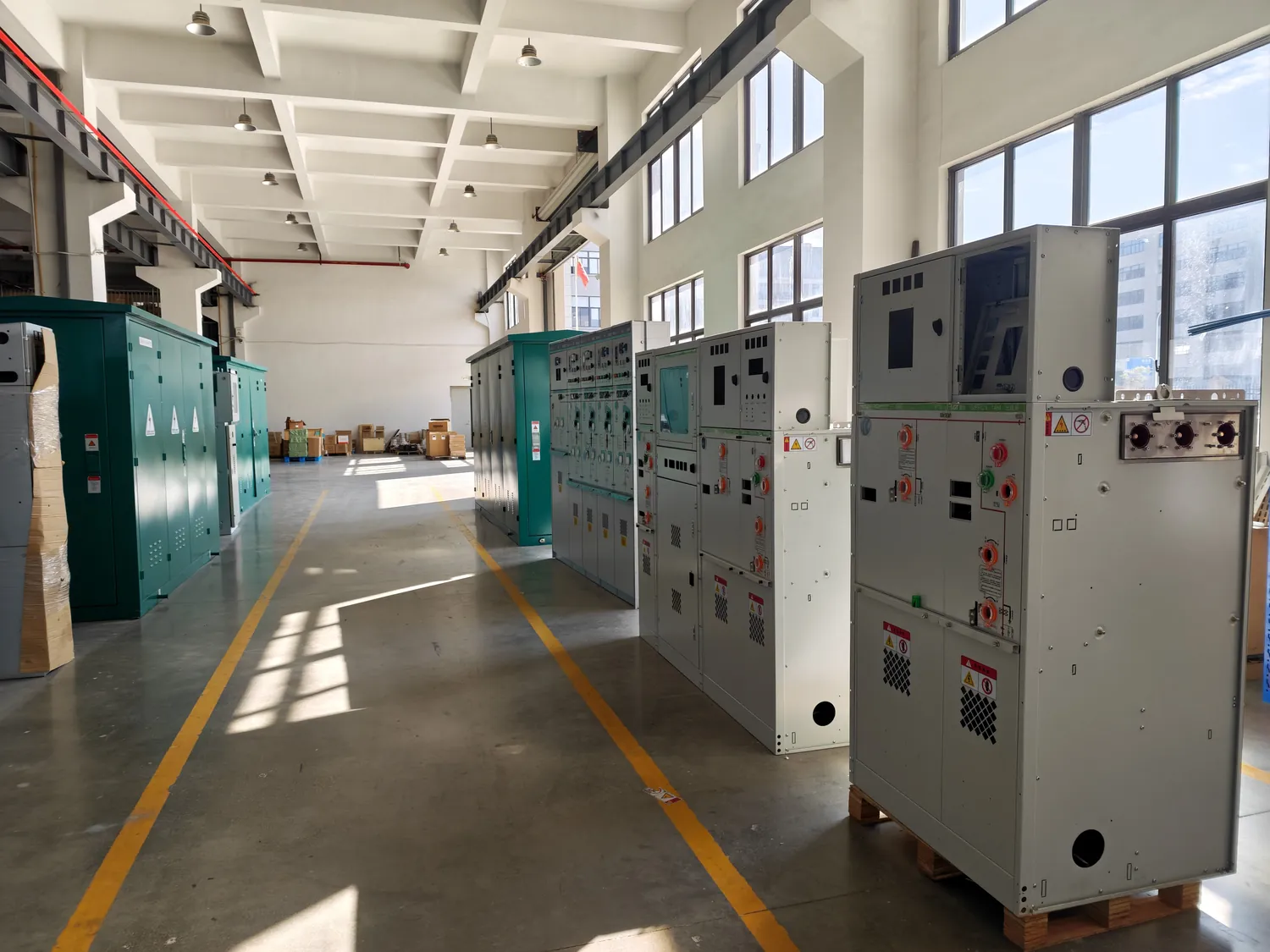
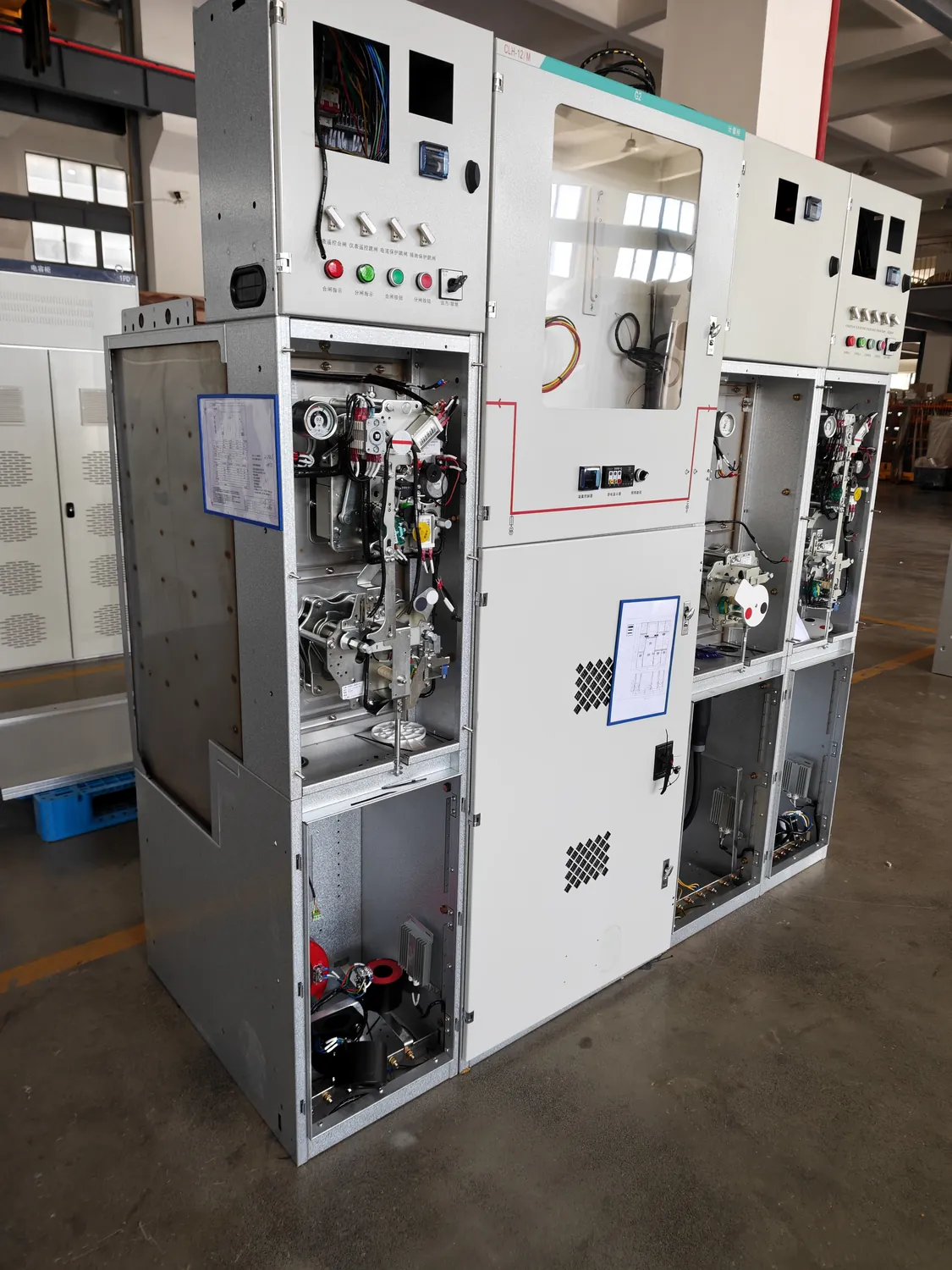
The plant in Yueqing does the whole chain: sheet metal and tank fabrication, busbar and contact assembly, mechanism build-up, gas filling and drying, then routine test on every unit. Nothing is sub-contracted to a name we cannot inspect.
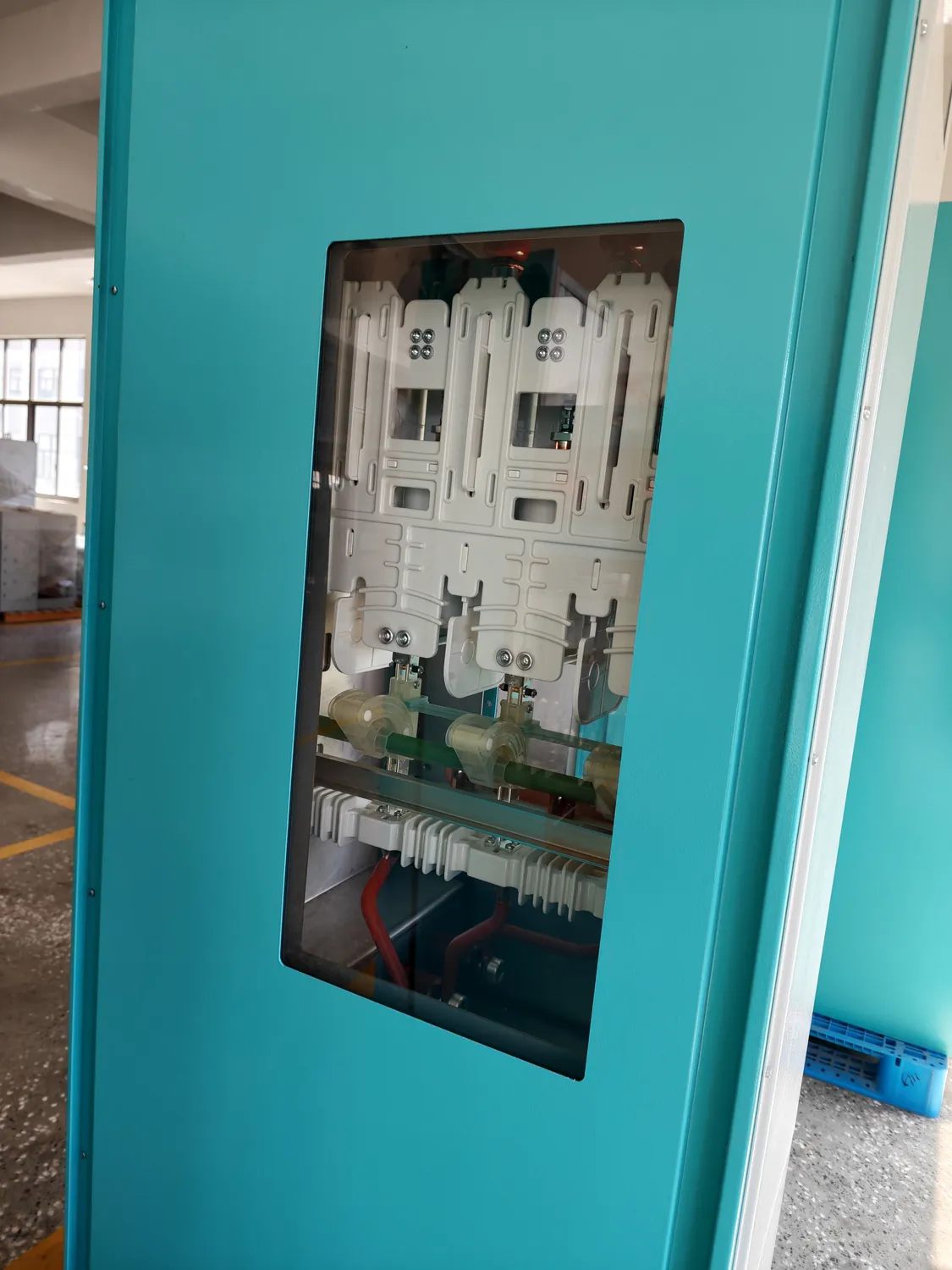
Every claim traces back to a test
| Check | What we do | What it protects |
|---|---|---|
| Dielectric routine test | Power-frequency withstand on each pole and phase-to-earth, per IEC 62271-200 | Insulation defects that survive assembly |
| Partial discharge | PD measurement on the assembled tank before gas filling sign-off | Voids and protrusions that fail years later |
| Interlock chain | Functional test of every mechanical and key interlock, sequence by sequence | Human error at the moment of switching |
| Gas tightness | Leak detection and pressure hold on sealed-for-life tanks | Slow loss of insulation margin over service life |
Send the single-line diagram. Get a real specification.
Tell us the voltage class, the number of panels, the fault level and the enclosure requirement. We answer with a configured drawing, a bill of material and a delivery date — not a catalogue page.